
Your Cart is Empty
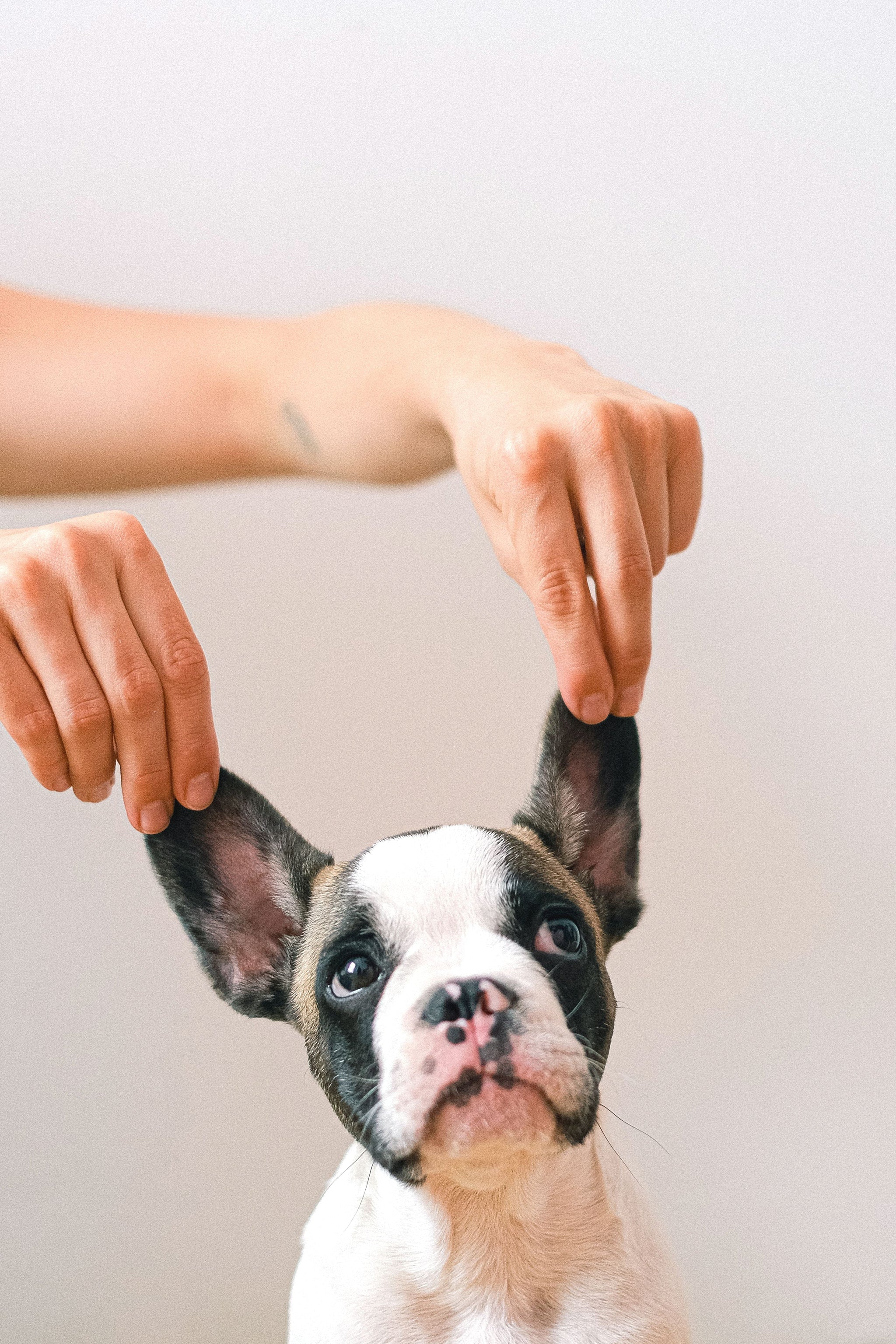
If your dog has had more than one ear infection in the past year, allergies are probably behind it. This surprises a lot of owners — ear infections seem like a separate problem, something to treat with ear drops and move on from. But recurring ear infections in dogs are one of the most reliable signals that an underlying allergy is going unaddressed.
Understanding that connection is the key to actually stopping the cycle rather than treating the same infection over and over.
It comes down to inflammation. When a dog has environmental or food allergies, the immune response triggers inflammation throughout the body — including the skin lining the ear canal. That inflammation does two things:
• It changes the environment inside the ear, creating warmth and moisture that bacteria and yeast thrive in
• It disrupts the natural defenses of the ear canal, making it easier for infections to take hold
The result is a cycle: allergies cause inflammation, inflammation enables infection, infection causes more inflammation, and the cycle repeats. Treating only the infection with ear drops addresses the symptom but leaves the root cause — the allergy — completely untouched.
The biggest clue is recurrence. A dog that gets one ear infection after swimming or after a grooming visit likely has a situational cause. A dog that gets ear infections two, three, or four times a year almost certainly has an underlying allergy driving them.
Other signs the allergy connection is at play:
• Ear infections that happen alongside skin itching, paw licking, or belly redness
• Infections that clear up with treatment but return within weeks
• Yeast infections specifically — yeast thrives in the inflamed, moist environment allergies create
• Symptoms that worsen seasonally (spring and fall pollen seasons)
• Both ears affected, not just one
Usually caused by Staphylococcus or Pseudomonas bacteria that overgrow when the ear environment is disrupted by inflammation. Signs include yellow or brown discharge, foul smell, and pain when the ear is touched. Dogs may yelp or pull away when you try to examine the ear.
The most common allergy-related ear infection. Caused by Malassezia yeast overgrowth — a yeast that lives normally on healthy dog skin but explodes in the warm, inflamed environment that allergies create. Signs include dark brown waxy discharge, a distinctive musty or "corn chip" smell, and intense itching. Dogs with yeast ear infections often rub their ears on the floor or against furniture.
Important: yeast infections require antifungal treatment, not antibiotics. Using the wrong treatment won't clear the infection.
While any dog can develop allergy-related ear infections, certain breeds are significantly more vulnerable:
• Cocker Spaniels — heavy, floppy ears trap moisture and restrict airflow
• Labrador and Golden Retrievers — high allergy prevalence combined with active outdoor lifestyles
• Bulldogs and Shar-Peis — narrow ear canals and skin fold issues
• Poodles and Doodles — hair grows inside the ear canal, trapping debris
• Basset Hounds — long ears that drag along the ground collecting allergens
If your dog is one of these breeds and has recurring ear infections, addressing the underlying allergy is especially important.
The only way to stop recurring allergy-related ear infections is to address the allergy driving them. Here's a layered approach:
If your dog currently has an infection, it needs to be treated first — see your vet for appropriate ear drops (antifungal for yeast, antibiotic for bacterial). Don't skip this step; an active infection needs targeted treatment.
Daily allergy supplements containing omega-3 fatty acids, quercetin, and colostrum reduce the immune overreaction that inflames the ear canal in the first place. This addresses the root cause. Browse our Dog Allergy Supplements for highly rated options.
A strong skin barrier is more resistant to infection. Biotin, zinc, and fish oil supplements specifically support skin barrier function — including the delicate skin lining the ear canal. See our Dog Skin & Coat collection.
Once the active infection is cleared, a regular ear cleaning routine keeps the environment hostile to bacteria and yeast:
• Clean ears every 1–2 weeks with a vet-approved ear cleaning solution
• After baths or swimming, dry the ears thoroughly — moisture is yeast's best friend
• For hairy-eared breeds, ask your groomer to thin the hair inside the ear canal
• Check ears weekly for early signs — catching an infection early means easier treatment
If you can identify what's driving the allergy — seasonal pollen, a food protein, dust mites — reducing exposure takes pressure off the immune system year-round. Keep a simple log of when ear infections occur and what season or environment they coincide with.
Most ear infections are uncomfortable but not emergencies. Go to the vet promptly if you notice:
• Your dog is holding their head tilted to one side
• Loss of balance or walking in circles
• Sudden hearing loss or unresponsiveness to sound
• Swelling of the ear flap (could be a hematoma from scratching)
• Severe pain — crying, snapping when ear is touched
These signs suggest the infection may have spread to the middle or inner ear, which is a more serious condition requiring aggressive treatment.
Recurring ear infections are your dog's body telling you there's an allergy driving the inflammation. Treating the infection is necessary — but treating only the infection is like mopping the floor without fixing the leaking pipe. Address the allergy and the ear infections will follow.
Start with daily allergy support and consistent ear maintenance — most dogs see a dramatic reduction in infection frequency within one to two allergy cycles. Shop Dog Allergy Relief → | Read our Complete Pet Allergy Guide →


